Nutrition Tips That Support Brain Function
Lucia Fernandez October 1, 2025
Nutrition is no longer just about calories, weight loss, or muscle gain. In 2025, it’s becoming one of the most important tools for cognitive health and longevity. Nutrition tips that support brain function are evolving fast, with cutting-edge research showing how food affects memory, focus, and even your risk of neurodegenerative disease. From AI-powered dietary recommendations to gut-focused eating, here’s a guide to the latest trends that are shaping how we nourish our minds.
Why Nutrition for Brain Function Matters Now
Brain-related illnesses such as Alzheimer’s, ADHD, and brain fog are rising globally. While genetics play a role, scientists now agree that daily nutrition has a measurable impact on brain performance and mental clarity. According to a 2025 review in Frontiers in Nutrition, certain dietary patterns significantly influence cognitive outcomes, particularly when they’re high in anti-inflammatory nutrients like omega-3s, B vitamins, and antioxidants. In other words, what’s on your plate could shape how you think, remember, and process information — not just now, but years down the line.
Precision Micronutrient Nutrition: Tailoring for Cognitive Clarity
What’s Changing
Until recently, most dietary advice was general. But in 2025, personalized micronutrient optimization is getting serious attention. Instead of just suggesting “eat more leafy greens,” this trend focuses on measuring your exact nutrient levels and adjusting your intake to match cognitive needs. Emerging evidence shows that targeted supplementation of vitamins like B12, folate, magnesium, and omega-3 DHA can support executive function and memory. One large meta-analysis published this year confirmed that individuals with low serum levels of B vitamins and DHA scored lower on cognitive performance tests.
How to Apply It
- Get a blood test or use an at-home nutrient analysis kit.
- Review your levels of iron, magnesium, B-complex, omega-3s, and vitamin D.
- Based on those results, focus your diet on foods rich in those nutrients.
- Consider supplements only after confirming deficiencies with a healthcare provider.
Brain-Friendly Foods to Prioritize
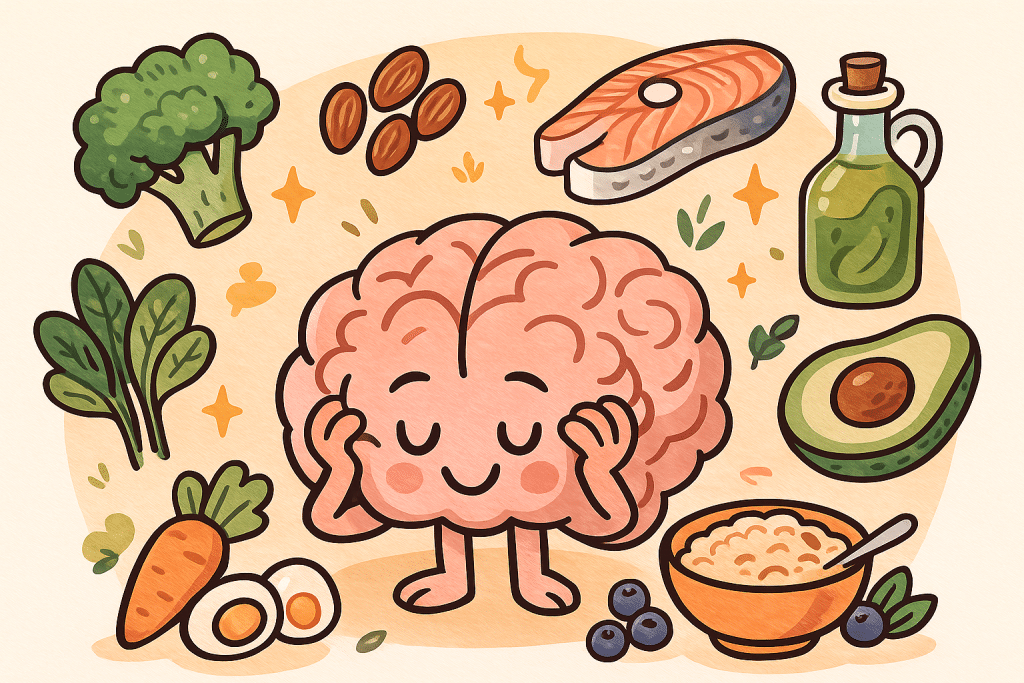
- Fatty fish (salmon, sardines)
- Leafy greens (spinach, kale)
- Pumpkin seeds
- Eggs (choline source)
- Walnuts
- Lentils
- Avocados
Nutrition tips that support brain function work best when customized to your biology rather than a one-size-fits-all list.
Rethinking the MIND Diet: More Than Just Mediterranean
The MIND diet (Mediterranean-DASH Intervention for Neurodegenerative Delay) has long been recommended for protecting against cognitive decline. But this year, researchers are refining the model. A systematic review of 40 international studies published in Nutrients found that the MIND diet consistently lowered dementia risk — but only when adapted to local dietary norms. For example, in Japan, fermented soy products were effective alternatives to traditional Western legumes. In Latin America, native greens and regional berries substituted standard Mediterranean options.
Key Guidelines for a 2025 MIND Diet
- Eat leafy greens daily (spinach, collards)
- Consume berries (blueberries, blackberries) at least twice a week
- Use olive oil or regional plant oils as your main fat
- Choose whole grains over refined
- Reduce red meat and processed snack intake
- Avoid fried foods and sugary drinks
Smart Additions for 2025
- Localized substitutions for regionally unavailable items
- AI tools to calculate your MIND diet adherence score
- Shorter adherence durations that still show cognitive benefits
Following nutrition tips that support brain function can be as simple as modifying your MIND approach with what’s locally and culturally accessible.
Gut-Brain Axis: Feed Your Microbes to Feed Your Mind
The connection between gut health and brain function is one of the fastest-growing fields in nutritional neuroscience. New studies in 2025 have shown that certain gut bacteria produce compounds that regulate mood, memory, and stress resilience. A research team from Virginia Tech demonstrated that consuming polyphenol-rich and fermented foods led to measurable improvements in brain fog and cognitive speed in just four weeks.
What This Means for Your Diet
Feeding your microbiome correctly can boost cognition by improving the gut-brain signaling pathways.
Gut-Friendly Foods for Brain Health
- Prebiotic fibers: asparagus, garlic, onions, bananas
- Fermented foods: kefir, miso, sauerkraut, kimchi
- Polyphenol-rich items: blueberries, green tea, cocoa
- Whole grains: oats, quinoa, barley
Reducing ultra-processed foods is key — these disrupt microbial diversity and increase inflammation, both of which are linked to cognitive dysfunction. Gut-focused eating is now a central part of nutrition tips that support brain function and no longer just about digestion.
Putting It All Together: Your Brain-Smart Daily Plan
Here’s a practical framework you can start applying today to boost your brain’s performance through food.
Morning
- Breakfast: Steel-cut oats topped with walnuts and blueberries
- Drink: Green tea or matcha (rich in L-theanine and antioxidants)
Midday
- Lunch: Grilled salmon salad with olive oil dressing and quinoa
- Snack: Apple slices with almond butter
Evening
- Dinner: Stir-fried lentils, garlic, onions, and leafy greens
- Optional Treat: A square of dark chocolate (85% cocoa or higher)
This approach hits all three pillars: micronutrients, MIND adherence, and gut health.
What to Watch Next
While the trends in nutrition tips that support brain function are promising, not all products or supplements claiming cognitive benefits are equally supported by science. Here’s what to keep in mind:
- Clinical research is still evolving, especially on long-term effects.
- Blood tests and personal biomarkers remain underused in the general population.
- Diet quality is just one piece of the puzzle — sleep, stress, and movement also play major roles.
Final Thoughts
In 2025, eating for your brain is no longer just about “healthy eating.” It’s about precision, personalization, and using food as a strategic tool for cognitive resilience. Whether through micronutrient targeting, refined MIND diets, or gut support, the message is clear: your brain responds to what you eat — and smarter food choices today could mean a sharper mind tomorrow.
References
- Frontiers in Nutrition (2025) ‘Nutritional Modulation of Cognitive Function’. Available at: https://www.frontiersin.org/journals/nutrition/articles/
- Frontiers in Molecular Biosciences (2025) ‘Micronutrients and Brain Health: A Systems Biology Perspective’. Available at: https://www.frontiersin.org/journals/molecular-biosciences/articles/
- Nutrients (2025) ‘Regional Adaptations of the MIND Diet for Cognitive Longevity’. Available at: https://www.mdpi.com/journal/nutrients

 DIY Home Projects That Enhance Function and Style