DIY Home Projects That Enhance Function and Style
Giulia Bianchi October 1, 2025
If you’ve ever wished your home was both more beautiful and more practical, you’re in good company. In 2025, DIY homeowners are shifting beyond simple paint jobs and basic fixes to projects that deliver both function and style. From modular builds and tech‑integrated furniture to adaptive reuse and multifunctional zones, these trends are redefining what it means to “improve” a space. This article covers hot trends in DIY home projects that enhance function and style, offers project ideas you can try, and explains how to stay ahead of the curve.
Current Trends Driving DIY Projects
1. Multifunctional & Flexible Spaces
One of the biggest shifts in home design is the demand for spaces that can adapt. Whether it’s a living room that becomes a home office or a guest room that doubles as a hobby studio, flexibility is king. Design firms now list “multi‑use spaces” among their top renovations for 2025.
2. Integration of Discreet Technology
Tech is no longer an add-on—it’s being embedded directly into furniture and finishes. Think charging surfaces, concealed speakers, motorized panels, and ambient lighting. DIYers are increasingly installing “hidden tech” elements so the design remains seamless.
3. Sustainable & Reclaimed Materials
Eco-consciousness is shaping DIY choices. Salvaged wood, reclaimed bricks, and recycled metal parts are preferred not just for their environmental benefits but also for visual character. Projects that reuse materials are trending especially among maker communities.
4. Modular & Custom-Built Components
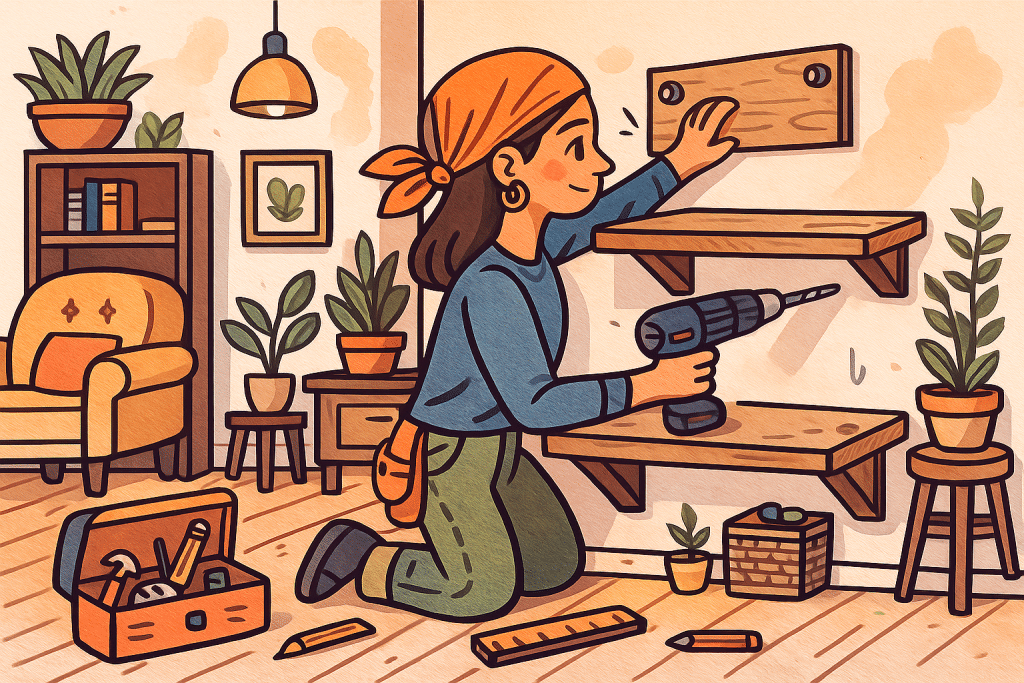
Rather than buying mass-manufactured furniture, DIYers are building modular, custom components—shelves, room dividers, built-ins—that fit unique spaces. Some even use augmented reality and XR tools to design with scrap in place.
These trends are fueling a wave of bold, functional DIY projects that combine aesthetic weight with everyday utility.
6 DIY Home Projects That Enhance Function and Style
Here are standout ideas you can try, each embracing the trends above.
1. Smart Modular Storage Walls
Create a wall of modular shelving or cabinets that can be rearranged, expanded, or repurposed over time. Incorporate hidden compartments or pop-out desks. Use reclaimed wood or repurposed boards to give it visual texture.
Why it hits both goals: It adds serious storage (function) while serving as a dramatic focal wall (style).
2. Built-In Charging Nooks
Install a drawer or shelf with built-in wireless charging pads, USB ports, and cable management. Mount it near your bedside table, desk, or in the living area behind a credenza.
Why it hits both goals: You solve charging clutter (function) while letting the feature disappear into the design (style).
3. Room Divider + Display + Greenwall Hybrid
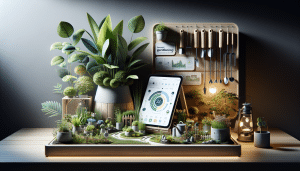
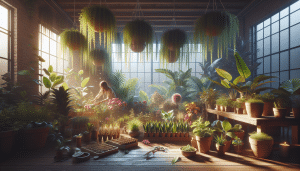
Use a freestanding divider made of open slats or cubbies that also hold plants, books, or decorative objects. When you combine living greenery, function, and aesthetics, you get a “living partition.”
4. Reclaimed Wood Accent Walls
Take reclaimed boards, palette wood, or weathered siding and mount them as an accent wall. You can also integrate floating shelves or inset lighting. Because the material has character, you don’t need splashy decor.
5. Hidden Home Office Under Stairs
Turn under‑stair space into a micro office. Build a desk that folds down, add a lamp, floating shelves, and cable access. Use whisper-quiet hardware so it doesn’t feel industrial.
6. XR‑Augmented Scrap Wood Assemblies
If you have leftover wood and small odd pieces, use XR or augmented reality tools to virtually assemble them in place, then cut and fit them real-time. This approach minimizes waste and gives you a custom installation.
How to Plan a Successful DIY Project That Balances Form & Utility
Step 1: Define Your Dual Goals
Write down what “function” and “style” mean for your space (e.g. better lighting, more storage, cleaner lines, textured surfaces).
Step 2: Sketch with Purpose
Lay out multiple sketches. Don’t just think in rectangles—add curvature, negative spaces, and detailing. Consider shadow lines, reveal gaps, and mixed materials.
Step 3: Choose Your Palette & Materials
Pick materials that serve utility (durable, easy to maintain) and aesthetics (texture, warmth, contrast). Reclaimed and natural finishes often offer both.
Step 4: Test Small Elements
Build a scale mockup or test panel. Check proportions, see how materials age, and tweak your tech placements.
Step 5: Execute in Phases
Don’t try to do it all in one go. Begin with the structural element (frame), then add finish layers and tech. This reduces mistakes.
Step 6: Finish Thoughtfully
Edge treatments, hidden joinery, lighting, and hardware make or break the style. Clean transitions between functional and visual parts matter.
Challenges & Tips to Avoid Pitfalls
- Tech compatibility issues: Make sure your wiring, venting, and cooling are planned before enclosing components.
- Structural integrity: When mounting heavy shelves or cabinets, ensure studs, anchors, or reinforcement are correct.
- Mismatch of styles: A highly decorative accent next to minimal surroundings can clash—aim for harmony.
- Material sourcing delays: Reclaimed or custom materials sometimes require lead time; plan ahead.
- Over-engineering: Sometimes simpler is stronger. Don’t overcomplicate a smart shelf system if a classic floating shelf does the job.
Why These DIY Trends Matter in 2025
- High return on investment: Homeowners continue to spend heavily on renovations and upgrades.
- DIY motivation is strong: More than half of homeowners still prefer to tackle improvements themselves, driven by cost and personal satisfaction.
- Design standards are rising: As interior trends push toward multi-sensory, layered, and personal styles, DIYers must meet higher aesthetic expectations.
- Tech is democratized: Tools like XR design, 3D printing, and smart hardware make sophisticated builds accessible to skilled nonprofessionals.
When you align your project with these forces, it becomes more than a weekend job—it’s a statement of how your home works and looks.
Conclusion
DIY home projects that enhance function and style are no longer a niche—2025 is fueling a movement where every upgrade must answer both needs. Whether you’re wiring a smart charging station, building a modular storage wall, or converting a forgotten nook into a stylish workstation, the best results emerge when you marry purpose with design.
Use the project ideas above, follow the planning framework, mind common pitfalls, and you’ll be able to transform your space into something that’s practical and beautiful.
References
Mitchco Group. (2025). Home Remodel Design Trends for 2025. Retrieved from https://www.mitchcogroup.com/renovation-articles/home-remodel-design-trends-for-2025
Decorilla. (2025). Interior Design Trends 2025: The 21 Hottest Home Decor Ideas. Retrieved from https://www.decorilla.com/online-decorating/interior-design-trends-2025
Holtzman Home Improvement. (2025). Home Improvement Trends: The Latest Ideas for Your Space. Retrieved from https://www.holtzmanremodeling.com/blog/home-improvement-trends-the-latest-ideas-for-your-space

 Smart Finance Practices That Simplify Daily Budgeting