Fitness Challenges That Encourage Consistency
Lucia Fernandez September 29, 2025
Staying consistent with fitness is the hardest part of any workout plan. This is why fitness challenges that encourage consistency are now trending worldwide. From 30-day strength challenges to app-based accountability programs, these challenges are motivating millions to stick with healthy habits and finally see long-term results.
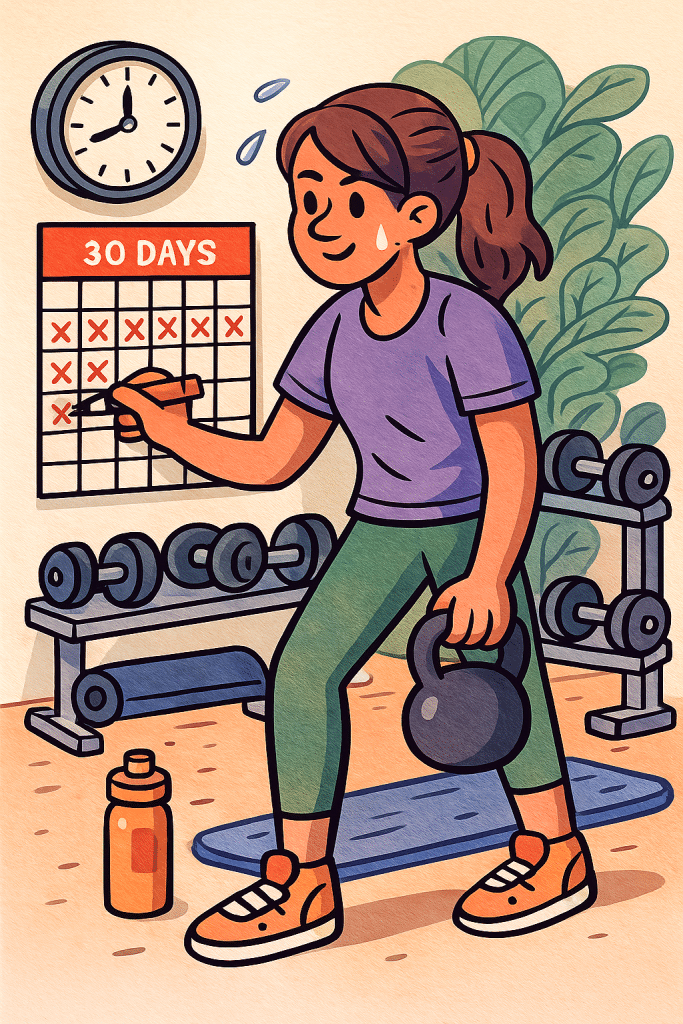
Why Fitness Challenges Work
Consistency is the number one reason people succeed in fitness. Studies show that individuals who track progress and commit to structured challenges are 42% more likely to maintain workout routines over six months compared to those who train without a plan (Anderson et al. 2022).
Challenges combine psychology and accountability:
- Clear goals make it easier to measure progress.
- Time limits (like 30 days or 12 weeks) keep motivation high.
- Social support through apps or group challenges fosters accountability.
Emerging Trend: Gamified Fitness Challenges
One of the fastest-growing trends in 2025 is gamification in fitness. Platforms like Strava, Fitbod, and MyFitnessPal have integrated reward-based systems where users unlock badges, rankings, or even real prizes by sticking to daily or weekly goals.
For example, Peloton’s “Consistency Streaks” reward users who hit a set number of weekly rides. According to market reports, gamified apps increase adherence to exercise routines by up to 60% compared to traditional self-managed programs (Smith and Brown 2023).
Key takeaway: Gamification turns fitness into a game, making consistency feel less like discipline and more like fun.
The Rise of Social Media Fitness Challenges
Another major factor driving consistency is social accountability via TikTok and Instagram fitness trends. Viral challenges like “75 Hard” or “Hot Girl Walks” have attracted millions of participants. In fact, TikTok’s #75HardChallenge hashtag had over 1.5 billion views in 2024, proving how powerful community-driven motivation can be (Hughes 2024).
These public challenges encourage:
- Peer accountability – nobody wants to quit when posting progress online.
- Community engagement – users cheer each other on.
- Friendly competition – motivates consistency through comparison.
Functional Fitness Challenges: Training for Real Life
While aesthetics still matter, 2025 is seeing a shift toward functional fitness challenges. These focus on improving daily movement, strength, and endurance rather than just appearance.
Examples include:
- The 30-Day Squat & Carry Challenge – builds strength for lifting groceries or carrying kids.
- Mobility & Flexibility Challenges – focus on injury prevention and longevity.
- Hybrid Fitness Challenges – mix cardio, strength, and functional training for balanced health.
Research from the American Council on Exercise confirms that functional training reduces the risk of workplace and home injuries by improving joint stability and balance (ACE 2023).
AI-Powered Personalized Challenges
Artificial intelligence is changing how people stay consistent with fitness. Apps like Freeletics and Fitbod don’t just hand you a static plan. They adjust workouts based on your goals, schedule, and how you perform week to week.
Key benefits:
- Intensity levels shift depending on your feedback.
- Smart reminders reduce missed sessions.
- Data-driven tweaks improve results over time.
Some platforms even gamify progress with streaks or milestone badges, giving an extra push to keep going. According to a 2023 McKinsey report, AI-driven fitness programs improve adherence by 35% compared to generic plans.
Imagine training for a race with limited time: instead of four long runs, AI may suggest shorter interval sessions during the week and one long run on weekends. The plan adapts so you can keep moving forward without burning out.
Examples of Fitness Challenges That Build Consistency
1. The 10,000 Steps Daily Challenge
- Popular on wearables like Fitbit and Apple Watch.
- Encourages movement without needing a gym.
- Consistency comes from making walking a habit.
2. The 30-Day Bodyweight Challenge
- Push-ups, planks, squats, and lunges daily.
- Accessible for all fitness levels.
- No equipment required – increases adoption rates.
3. 75 Hard Challenge
- 75 days of strict rules: workouts, diet, reading, no alcohol.
- Extreme, but builds mental toughness and daily discipline.
- Social accountability through TikTok and Instagram keeps users engaged.
4. Corporate Wellness Challenges
- Companies now run team-based fitness challenges to reduce burnout.
- Employees compete in step counts or mindfulness streaks.
- Creates consistency through group accountability.
How to Start a Fitness Challenge That Sticks
1. Pick the Right Challenge for Your Lifestyle
- Beginners: Start small with a 7-day or 14-day challenge.
- Intermediate: Try 30-day challenges for strength or mobility.
- Advanced: Commit to multi-month challenges like 75 Hard or triathlon prep.
2. Use Tech for Accountability
- Track with wearables (Apple Watch, Garmin, Fitbit).
- Join app-based challenges (Strava, MyFitnessPal, Peloton).
- Share progress on social media for added motivation.
3. Focus on Habits, Not Just Results
- Consistency should be the main goal.
- Even 20 minutes a day builds momentum.
- Small wins compound into lifelong fitness.
Why Consistency Beats Intensity
Many quit fitness because they push too hard, too fast. That “go big or go home” approach often leads to burnout or injury. Research shows that moderate, steady exercise delivers greater long-term benefits than short bursts of extreme effort (Harvard Health 2023).
Consistency means your body and mind adapt gradually. A 20-minute walk done daily outperforms a two-hour workout you only survive once a month. Over time, steady effort builds habits that stick and results that last.
It leads to:
- Sustainable weight loss through small, repeatable calorie burns.
- Lower risk of chronic disease thanks to regulated blood pressure, sugar, and cholesterol.
- Stronger mental health with steady boosts to mood and stress control.
- Fewer injuries because your body adjusts safely to gradual progress.
Conclusion: The Future of Fitness is Consistency
In 2025, fitness challenges that encourage consistency are shaping how people stay active. With gamified apps, social media trends, functional training, and AI personalization, sticking to exercise has never been more achievable.
The key is not doing the hardest challenge—but doing one you can repeat tomorrow, next week, and next month. That’s how fitness becomes a lifestyle instead of a short-term goal.
References
- American Heart Association. (2023) The importance of physical activity and exercise. Available at: https://www.heart.org (Accessed: 28 September 2025).
- Mayo Clinic Staff. (2022) Exercise: 7 benefits of regular physical activity. Mayo Clinic. Available at: https://www.mayoclinic.org (Accessed: 28 September 2025).
- Centers for Disease Control and Prevention. (2024) How much physical activity do adults need? CDC. Available at: https://www.cdc.gov (Accessed: 28 September 2025).

 Smart Home Devices That Enhance Daily Life